About Kanpur
Welcome to Kanpur, a city that proudly blends heritage, industry, education, and culture. Located in the heart of Uttar Pradesh, Kanpur is one of North India’s most important urban centers, known for its historical significance and industrial strength.Popularly called the “Leather City of India,” Kanpur has long been a major hub for leather goods, textiles, and manufacturing industries. The city played a crucial role during India’s freedom movement, and its legacy is reflected in iconic landmarks such as Kanpur Central Railway Station, Kanpur Memorial Church, and historic parks and institutions.Kanpur is also a leading education destination, home to prestigious institutions like IIT Kanpur, Harcourt Butler Technical University (HBTU), and GSVM Medical College, attracting students from across the country. Situated along the banks of the River Ganga, the city maintains strong spiritual and cultural roots, especially in nearby Bithoor, a place of historical and religious importance.
GLANCE OF KANPUR
Area
Population
Revenue
Culture, Festivals, and Lifestyle of Kanpur
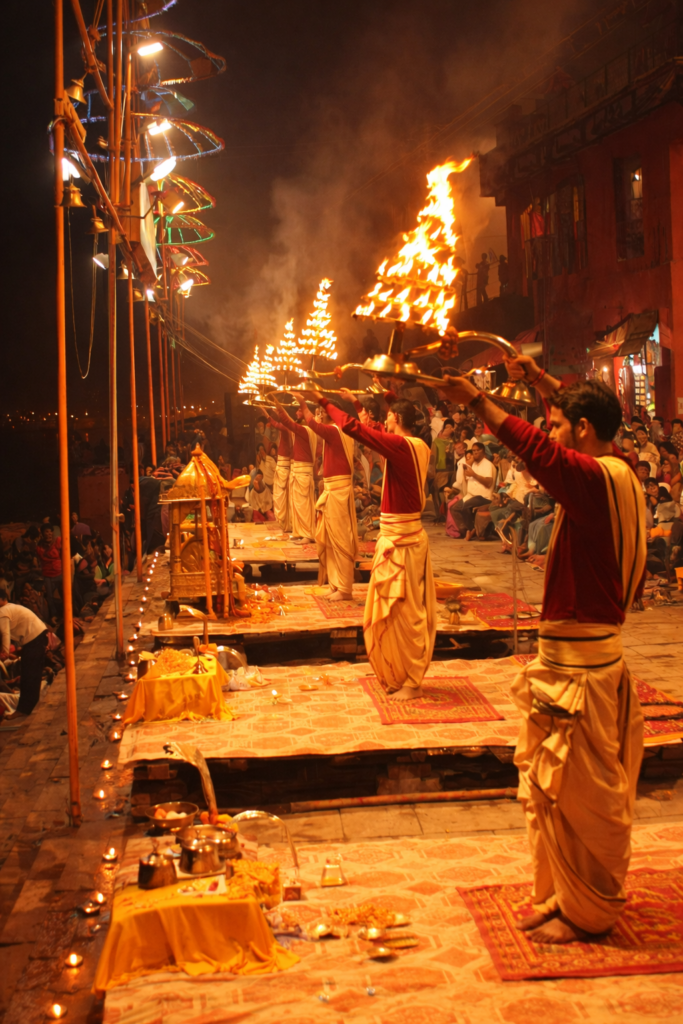
Kanpur is a city where rich cultural heritage blends seamlessly with modern urban life, creating a unique identity shaped by history, tradition, and progress. Deeply influenced by its role in India’s freedom movement and its long-standing industrial background, the culture of Kanpur reflects resilience, hard work, and strong community values. The presence of the sacred River Ganga, especially around Bithoor, adds a spiritual dimension to the city’s cultural life. Festivals in Kanpur are celebrated with great enthusiasm and togetherness, bringing people from all communities together. Major festivals such as Dussehra, Janmashtami, and Navratri fill the city with lights, colors, and devotion, while Ganga Aarti at Bithoor offers a peaceful and spiritually enriching experience. Eid, Christmas, Guru Nanak Jayanti, and other festivals are also observed with equal respect, showcasing the city’s cultural harmony and inclusiveness. Kanpur has a strong tradition of arts, literature, and theatre, with Hindi poetry, cultural programs, and local performances playing an important role in social life. The city’s lifestyle is closely connected to its famous food culture, especially its vibrant street food scene, where chaat, samosas and traditional sweets are enjoyed daily by people of all ages. Everyday life in Kanpur reflects a balance between tradition and modernity—while family values, local markets, and customs remain strong, the city has also embraced education, technology, malls, and contemporary lifestyles. Overall, Kanpur’s culture, festivals, and lifestyle represent a lively blend of spirituality, celebration, simplicity, and urban growth, making it a city that feels rooted yet progressive.The lifestyle of Kanpur is a balanced mix of traditional living and modern urban growth. While joint families, local markets, and cultural values remain strong, the city has also embraced modern education, technology, malls, and cafes.
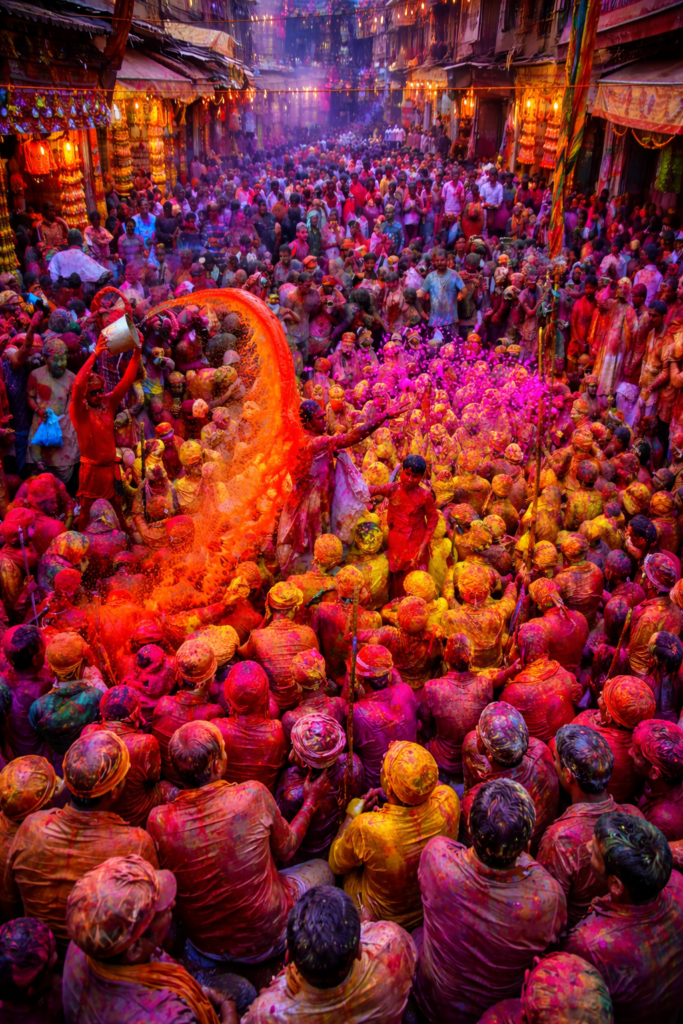
Holi is one of the most widely celebrated festivals in Kanpur and is observed with vibrant colors, joyful music, and lively community gatherings across the city. Days before the festival, local markets, streets, and shopping areas turn colorful with stalls selling gulal, pichkaris, balloons, herbal colors, traditional sweets, and festive decorations. The excitement builds as families prepare their homes, plan gatherings, and stock up on ingredients for special Holi dishes. On the evening of Holika Dahan, people gather in neighborhoods and open grounds to light bonfires, symbolizing the victory of good over evil. This ritual is performed with prayers, traditional songs, and offerings, creating a spiritually meaningful atmosphere. Families, elders, and children participate together, strengthening community bonds and passing cultural traditions from one generation to the next. The following day, Holi is celebrated with great enthusiasm. Residents apply colors on friends, relatives, and neighbors, exchange greetings, and enjoy festive music playing across colonies and streets. Groups of people can be seen dancing, laughing, and spreading joy, while children eagerly participate with colors and water games. Traditional delicacies such as gujiya, malpua, dahi bhalla, papri chaat, and thandai are prepared in homes and shared with guests, adding a rich culinary touch to the celebrations.Public spaces, residential areas, and local streets come alive with laughter and celebration, creating a cheerful and welcoming environment. One of the most beautiful aspects of Holi in Kanpur is the unity and cultural harmony it represents, as people from different communities, backgrounds, and age groups come together to celebrate the festival with equal joy and respect.
FAQ – Frequently Asked Questions
Where is Kanpur located and why is its location important?
Kanpur is located in the central part of Uttar Pradesh, along the banks of the sacred River Ganga. Its strategic location has historically made it an important center for trade, transportation, and industry in North India. Kanpur lies on major railway and road routes connecting eastern and western India, which helped it grow rapidly during the British era and later as an industrial powerhouse. Even today, its location supports strong connectivity with cities like Lucknow, Prayagraj, Delhi, and Varanasi, making Kanpur a key urban hub in the state.
What is Kanpur famous for across India?
Kanpur is widely known as the “Leather City of India” due to its extensive leather manufacturing and export industry, supplying footwear, accessories, and safety gear to both domestic and international markets. Apart from leather, Kanpur is also famous for its textile mills, engineering goods, and small-scale industries. The city holds historical importance for its role in the 1857 First War of Independence, and its legacy is visible in colonial-era architecture like Kanpur Central Railway Station and Memorial Church. Kanpur is also well-known for its street food culture, especially chaat, samosas, kachoris, and traditional sweets.
What is the population and demographic profile of Kanpur city?
Kanpur is one of the most populous cities in Uttar Pradesh, with an estimated population of over 3.3 million people. The city has a diverse demographic composition, with people from different regions, communities, and professions living together. Kanpur’s population includes industrial workers, business owners, students, professionals, and government employees. This diversity has contributed to a vibrant urban culture where traditional values coexist with modern lifestyles, making the city socially dynamic and culturally rich.
Which languages are commonly spoken in Kanpur?
The primary language spoken in Kanpur is Hindi, which is used for everyday communication, education, and administration. Urdu is also widely spoken, especially in older parts of the city, and has a strong cultural influence on poetry, literature, and daily conversation. English is commonly used in educational institutions, offices, and professional environments. Additionally, smaller sections of the population speak Punjabi and other regional languages, reflecting Kanpur’s diverse social fabric.
What are the major tourist and cultural attractions in Kanpur?
Kanpur offers a mix of historical, religious, and recreational attractions. Major tourist spots include Kanpur Memorial Church, Allen Forest Zoo, JK Temple, Moti Jheel, and Phool Bagh. Nearby Bithoor is a major spiritual and historical destination associated with Lord Brahma and freedom fighter Nana Saheb. Cultural events, festivals, and Ganga Aarti ceremonies add to the city’s spiritual charm. These attractions make Kanpur an important destination for history lovers, pilgrims, and leisure travelers.
Why is Kanpur considered an important city for education and economy?
Kanpur is a major educational hub, home to prestigious institutions such as IIT Kanpur, Harcourt Butler Technical University (HBTU), and GSVM Medical College, which attract students from across India. Economically, the city plays a crucial role in Uttar Pradesh’s industrial output through leather goods, textiles, manufacturing units, and trade. Kanpur’s combination of education, industry, skilled workforce, and connectivity makes it a city of opportunity, growth, and long-term significance in the state.